
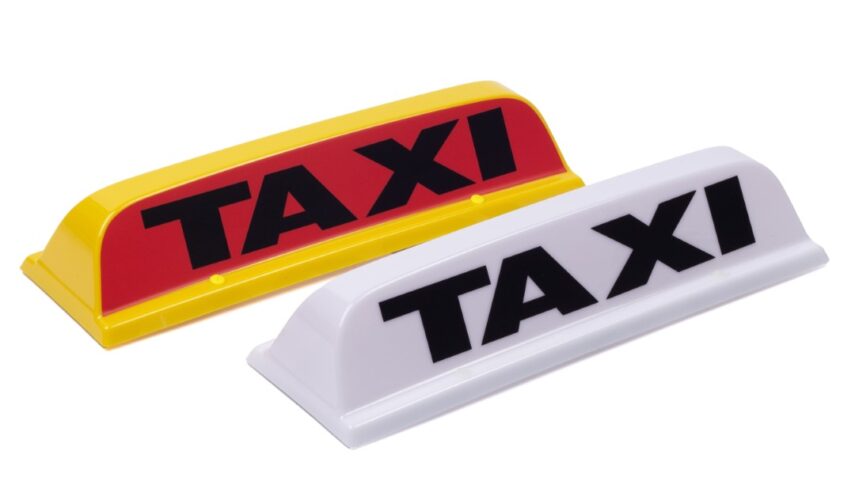

In the UK, magnetic top signs and magnetic vehicle panel signs are popular solutions for vehicles used in various commercial, educational, and service-related industries. These signs are temporary, flexible advertising tools that can be easily attached and removed when required.
However, a magnetic sign must be effective and safe, undergo rigorous testing, be installed securely, and meet specific compliance standards. This article explores how magnetic signs are tested, installed, and maintained for maximum efficiency and safety on UK roads, especially at motorway speeds.
Our team at Lettercraft Topsigns have been supplying taxi drivers, driving schools, and more with high-quality magnetic top signs for several years. All of our top signs have gone through the rigorous testing explained below, so if you are ready to purchase, check out our collection of top signs today!
Introduction To Magnetic Vehicle Signs
Magnetic vehicle signs provide an easy-to-use option for businesses looking to advertise their services without permanently altering their vehicles.
These signs adhering to the vehicle’s metal surface can be installed or removed within seconds. They offer flexibility for fleet vehicles and contractors who may need to switch between different types of advertising quickly. Similarly to vehicle topsigns, they are great for marketing your business!

Benefits Of Magnetic Signs For Vehicles In The UK
Magnetic signs offer multiple benefits:
● Cost-Effective Advertising: Magnetic signs are affordable and can be customised with branding and contact information.
● Non-Invasive Installation: Unlike permanent decals or wraps, magnetic signs leave no residue, making them ideal for leased vehicles or vehicles that are used for both commercial and private use.
● Versatility: They can be easily swapped between vehicles, allowing companies to update or change messages without replacing the entire sign.
Overview of Motorway Testing Procedures
Manufacturers perform extensive tests to simulate real-world motorway conditions. These tests assess:
● Wind Resistance: Simulating high-speed winds ensures the magnetic sign doesn’t detach.
● Vibration Tolerance: Testing for the sign’s ability to withstand the vibrations caused by uneven road surfaces.
● Temperature Fluctuations: Evaluating performance under extreme temperatures ensures that magnets hold firm regardless of weather conditions.
Rigorous testing ensures that magnetic signs won’t become dislodged and pose risks to other vehicles or pedestrians. By meeting strict safety standards, these signs can withstand adverse conditions, giving drivers peace of mind that their signage remains intact.
Step-by-Step Guide to Installing Magnetic Signs on Vehicles
Proper installation is key to maintaining the security and stability of a magnetic sign. Here’s a step-by-step guide to ensure optimal adhesion and safety:
Preparing the Surface for Magnetic Sign Installation
Before applying a magnetic sign, the vehicle surface should be cleaned with a mild detergent to remove any dust, dirt, or debris.
A clean, dry surface helps the magnet adhere better and reduces the chance of damage or scratches on the vehicle’s paint.
Ensuring Proper Alignment and Positioning
Position the magnetic sign on a flat, even vehicle area to ensure maximum contact between the magnet and metal surface. Avoid placing the sign over seams, contours or ridges, reducing its stability and contact area, making it more susceptible to detachment.
Tips for Maximising Magnet Strength and Stability
● Press Firmly: Press down firmly across the entire surface to eliminate air pockets after placing the sign.
● Test the Hold: Tug the sign before driving to ensure it’s securely attached.
● Avoid Frequent Removal: Constant removal and reapplication can reduce magnetic strength, so leave the sign in place unless necessary.
Safety Standards and Compliance for Magnetic Vehicle Signs in the UK
Magnetic vehicle signs are subject to specific safety standards to ensure their safety and effectiveness. In the UK, compliance with road safety guidelines is crucial for legal reasons and the safety of all road users.
UK regulations for vehicle signage focus on ensuring that signs do not obstruct visibility, create distractions, or pose hazards on motorways. For example, signs must not cover essential lights or indicators and should be installed in locations that do not impede the driver’s line of sight.
Many magnetic signs are certified under UK safety standards to be deemed roadworthy. These standards may include materials testing for durability, non-toxicity, and impact resistance.
Some common compliance issues include using worn-out magnetic signs, improper placement, or using signs that don’t meet required safety standards. To avoid these issues:
● Inspect Regularly: Check that your sign is in good condition and hasn’t worn down.
● Follow Manufacturer Guidelines: Adhere to the recommended installation and maintenance procedures.
Maintenance Tips For Magnetic Vehicle Signs
Proper maintenance can extend the life of a magnetic sign and maintain its safety and effectiveness. Inspect the sign weekly to ensure it hasn’t shifted, developed cracks, or lost its magnetic strength. Any signs of damage may compromise its ability to stay attached at high speeds.
Magnetic signs should be cleaned with a soft cloth and mild detergent to prevent grime build-up. Avoid harsh chemicals that could erode the magnet, rubber cover or vehicle paint.
Periodically removing and cleaning the sign and the vehicle surface can help prevent scratches. If a sign starts to lose its hold, consider moving it to a flatter surface or replacing it if the magnetic properties weaken.
In cases of reduced adhesion, adding rubberised backing can help stabilise the sign.

Common Questions About Magnetic Vehicle Signs in the UK
Can topsigns damage vehicle paint?
Generally, topsigns do not damage paint if installed and maintained correctly. Cleaning the vehicle’s surface and the sign regularly helps prevent scratches.
How fast can I drive with a top sign attached?
If installed properly, magnetic signs tested on motorways are safe for speeds up to 70 mph. However, ensure the sign is in good condition before driving at high speeds.
Are topsigns legal on all roads?
Yes, all Lettercraft Topsigns magnetic signs are legal, as long as they don’t obscure essential parts of the vehicle or violate specific local restrictions.
Order Topsigns From Lettercraft Topsigns Today!
Topsigns offer a flexible and effective way to advertise vehicles without the permanence of decals.
Businesses can safely use these signs across the UK’s roads and motorways by ensuring secure installation, meeting compliance standards, and following proper maintenance practices.
When properly tested, installed, and maintained, vehicle topsigns offer a reliable advertising solution that enhances visibility and ensures safety for everyone on the road. If you want to order your brand-new top sign, check out our collection today! Or, give us a call today if you need more information!
0 Comments for “Motorway Testing, Secure Installation, And Safety Compliance”